
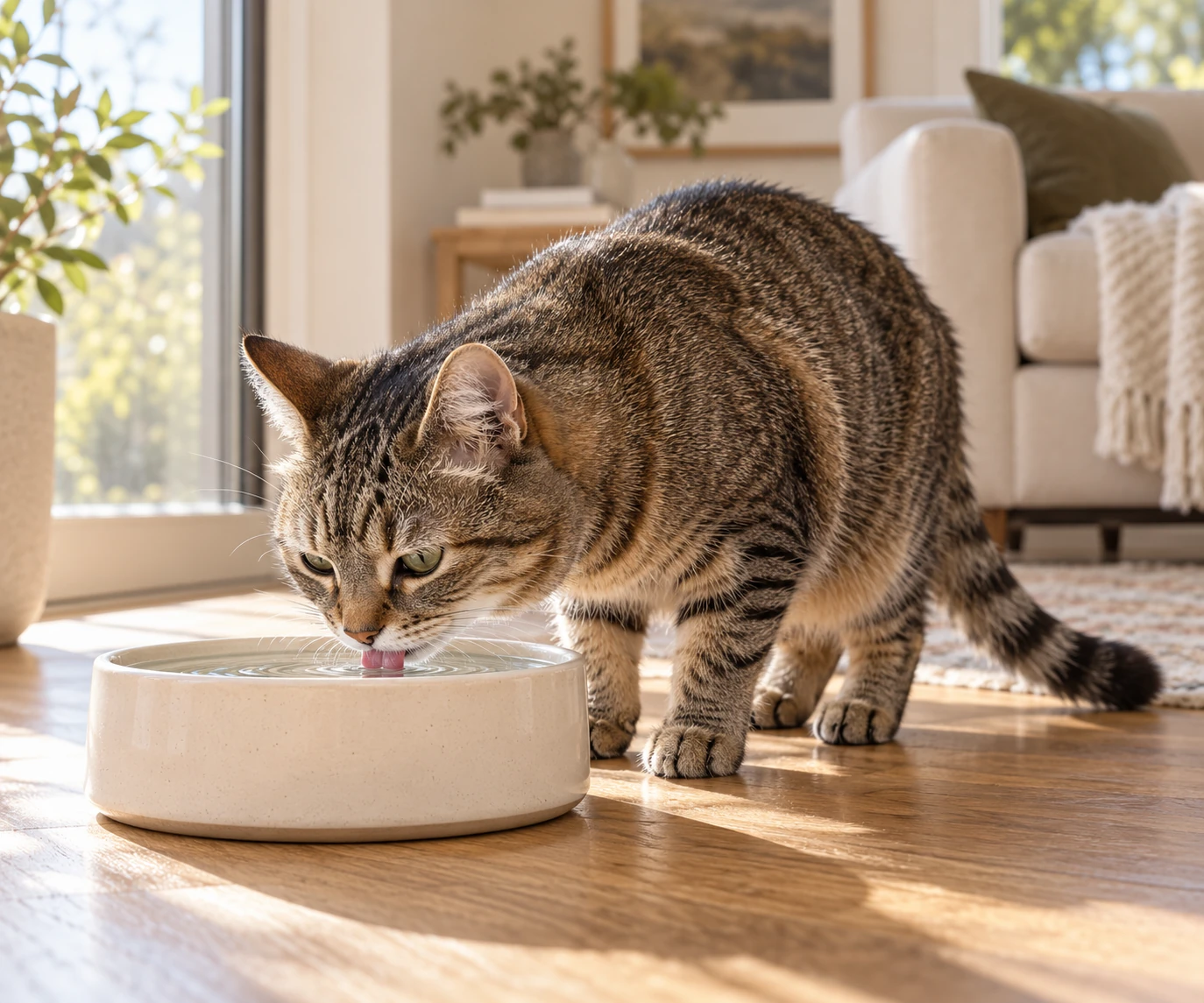

Your older cat is drinking more than usual, the litter box clumps are getting bigger, and they seem a little thinner. These are some of the classic early signs of kidney disease in cats, one of the most common health problems in older cats. The diagnosis can feel frightening, but chronic kidney disease is often slow to progress, and with the right care many cats live comfortably for months or even years.
Quick answer: Chronic kidney disease (CKD) develops gradually, mostly in older cats, and cannot be cured, but it can often be managed with diet, hydration support and medication guided by your veterinarian. If your cat is drinking or urinating more, losing weight or eating less, book a vet appointment. If your cat may have eaten any part of a lily, been exposed to antifreeze, or been given a human painkiller, or if your cat cannot pass urine, treat it as an emergency: these can cause sudden kidney damage that needs immediate treatment.
This guide is general information to help you understand kidney disease and talk with your veterinarian. It cannot diagnose your cat or replace veterinary care.
Table of Contents
What Is Kidney Disease in Cats?
The kidneys filter waste from the blood, make urine and help regulate blood pressure, as the Cornell Feline Health Center explains. When they are damaged, waste products build up in the blood and the body struggles to hold on to water.
You may also see the older terms kidney failure in cats or renal failure. VCA notes that acute kidney injury was previously called acute renal failure. Today, vets separate kidney disease into two very different situations:
| Chronic kidney disease (CKD) | Acute kidney injury (AKI) | |
|---|---|---|
| How it develops | Gradually, over months or years | Suddenly, over hours or days |
| Who it usually affects | Mostly middle-aged and older cats | Cats of any age |
| Common causes | Often unknown; age is the main known risk factor | Toxins such as lilies or antifreeze, certain medications, urinary obstruction, kidney infection |
| Can it be reversed? | No, but progression can often be slowed | Potentially, if treated early and aggressively |
| Urgency | Needs a vet appointment and long-term management | An emergency |
The rest of this guide focuses mainly on CKD, which is far more common. But because AKI can look similar and needs urgent care, it is worth understanding first.
Acute Kidney Injury: When It Is an Emergency
VCA Animal Hospitals describes acute kidney injury as the sudden failure of the kidneys to filter properly. Causes it lists include eating toxic plants, especially lilies; antifreeze (ethylene glycol) poisoning; nonsteroidal anti-inflammatory painkillers (NSAIDs); a blocked urethra or ureter that stops the cat from urinating; and bacterial kidney infection. VCA notes that AKI is potentially reversible if it is diagnosed early and treated aggressively.
Lilies deserve special mention. The U.S. Food and Drug Administration (FDA) warns that true lilies and daylilies are very dangerous for cats. The whole plant is toxic, including the pollen and even the water in the vase, and eating it can cause fatal kidney failure in less than three days. The FDA notes that if treatment is delayed by 18 hours or more, the cat will generally have irreversible kidney failure.
Contact a vet or a pet poison control service immediately if:
- Your cat may have chewed or licked any part of a lily, groomed lily pollen off their fur, or drunk water from a vase of lilies
- Your cat may have been exposed to antifreeze
- Your cat has been given any human painkiller or medication that wasn’t prescribed for them
- Your cat is straining to urinate and producing little or no urine; see MyyCat’s guide to urinary blockage in cats
- Your cat suddenly stops eating, vomits repeatedly, or becomes weak or lethargic
How Common Is Chronic Kidney Disease in Cats?
CKD is very common in older cats. Cornell reports that it affects up to 40% of cats over 10 years old and up to 80% of cats over 15. International Cat Care estimates that around 20 to 50% of cats over 15 have some degree of CKD. The figures vary between sources, but the message is the same: kidney disease becomes increasingly likely as cats age.
According to Cornell, the only known risk factor for CKD in cats is age. In most cats the underlying cause is never found. International Cat Care lists some recognized causes, including polycystic kidney disease (an inherited condition seen in Persian and related cats), kidney tumors, infections, toxins and drugs, and inflammation of the kidney’s filtering units (glomerulonephritis).
Signs of Kidney Disease in Cats
Cornell notes that cats in the early stages often show no signs at all. That is why blood and urine screening matters for older cats. As the disease progresses, Cornell, International Cat Care, VCA and the Merck Veterinary Manual describe signs such as:
- Drinking more water and urinating more, often the earliest signs according to Merck
- Weight loss
- Reduced or variable appetite
- Lethargy
- A poor or unkempt coat
- Vomiting
- Bad breath and, in more advanced disease, mouth ulcers
- Dehydration
Merck notes that increased thirst and urination can also point to other diseases. Diabetes and hyperthyroidism are two common examples. Only testing can tell them apart. MyyCat’s guide on how to tell if your cat is sick covers other changes worth reporting.
Complications: High Blood Pressure and Anemia
Cornell reports that roughly 60% of cats with CKD also develop high blood pressure (hypertension), which can affect the eyes and nervous system. CKD can also lead to anemia, which may cause lethargy, poor appetite and pale gums. This is why vets check blood pressure and blood counts in cats with kidney disease, even when the cat seems well.
How Vets Diagnose Kidney Disease in Cats
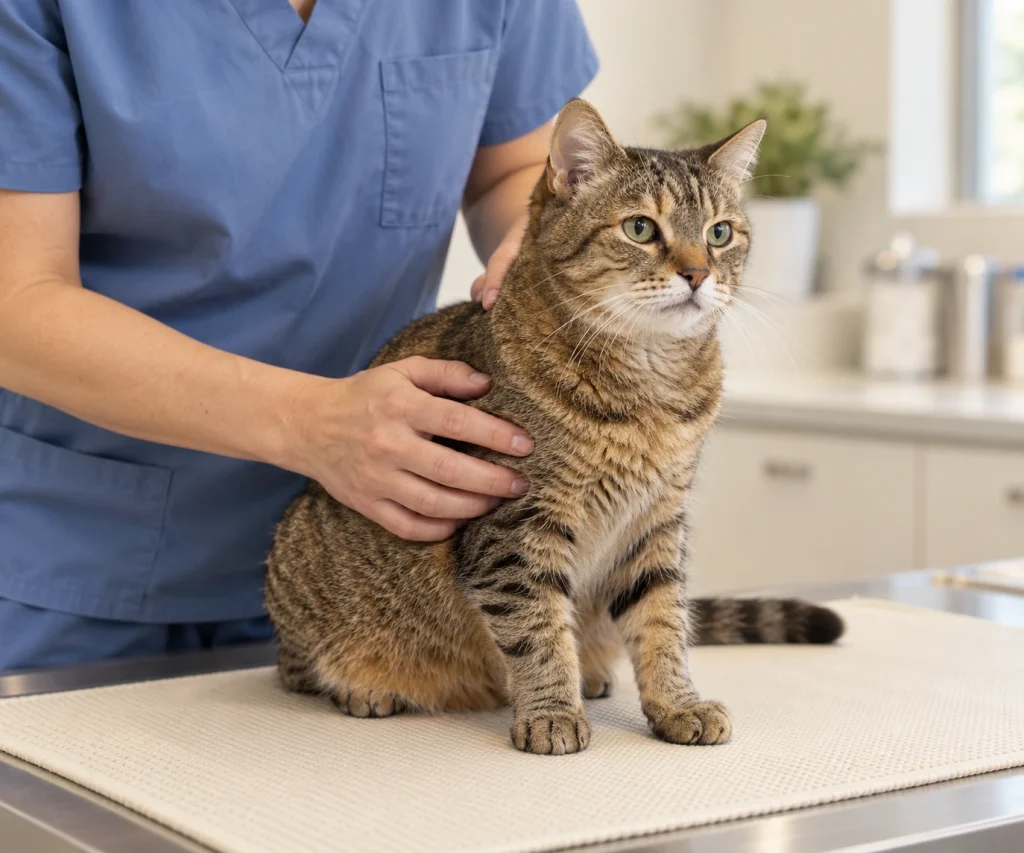
Diagnosis is based on blood tests, urine tests and blood pressure measurement, sometimes with imaging. Cornell and the 2026 International Cat Care consensus guidelines on CKD in cats describe the key tests:
- Creatinine: a waste product in the blood. Cornell notes it usually doesn’t rise until a cat has lost almost 75% of kidney function.
- SDMA: another blood marker that, according to Cornell, can rise when about 40% of kidney function is lost, so it may detect disease earlier.
- Urine specific gravity: a measure of how concentrated the urine is. Cornell describes poorly concentrated urine as one of the earliest indicators of CKD.
- Urine protein: protein loss in the urine affects staging and treatment.
- Blood pressure: checked because hypertension is common and treatable.
The 2026 guidelines stress that CKD is diagnosed from changes that persist over time, so your vet may repeat tests a few weeks later before confirming the diagnosis, particularly if results are borderline.
Stages of Kidney Disease in Cats
Vets usually stage CKD using the system developed by the International Renal Interest Society (IRIS). Stages 1 to 4 are based mainly on blood creatinine and SDMA levels in a stable, well-hydrated cat, and each stage is then sub-staged by urine protein and blood pressure. The exact cut-off values are set out in the IRIS guidelines.
Cornell notes that early stages often cause no visible signs. In general, a higher stage means more advanced loss of kidney function, and cats in later stages are more likely to show signs such as weight loss, poor appetite or vomiting and to need more intensive support.
Staging helps your vet choose treatments and decide how often to monitor. It is reassessed as the disease changes.
Treatment and Management
CKD can’t be cured. VCA explains that once the kidneys are damaged, they have minimal ability to recover. The 2026 International Cat Care guidelines describe the aims of treatment as addressing clinical signs to optimize quality of life and slowing progression. Every cat’s plan is different, and all of the following are veterinarian-directed:
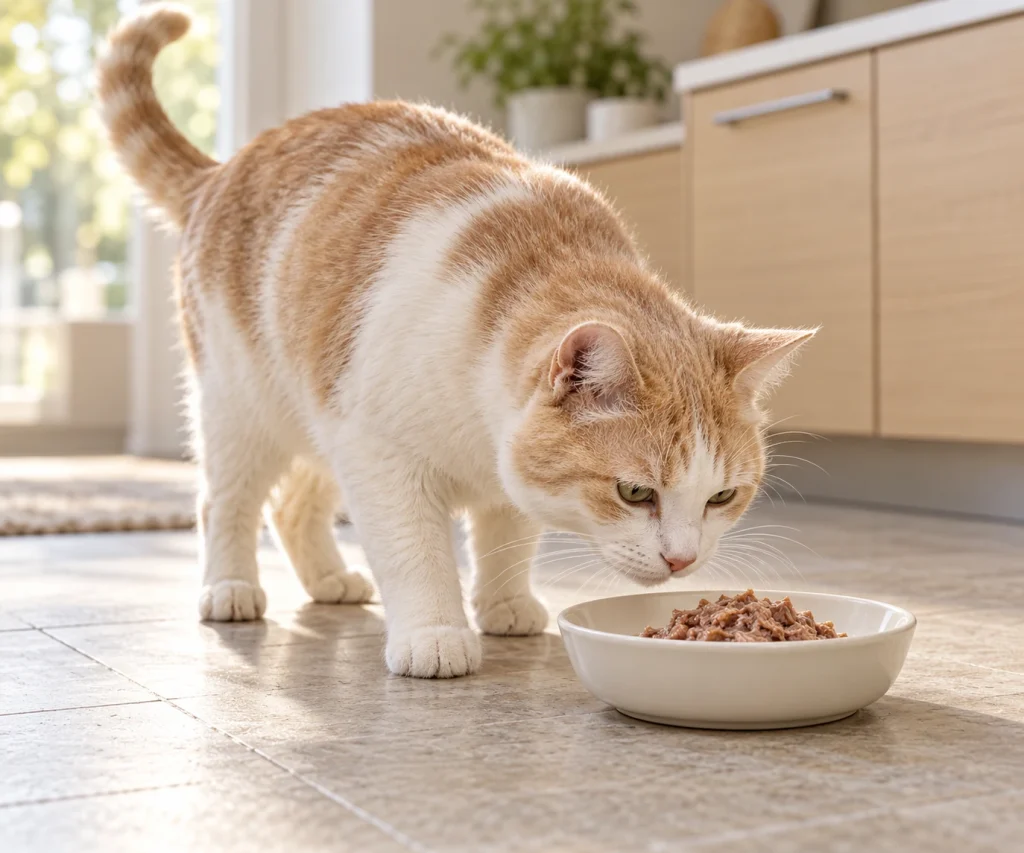
- A veterinary renal diet. The 2026 guidelines state that feeding a veterinary therapeutic renal diet can prolong survival and reduce the risk of uremic crises, and recommend starting dietary changes at diagnosis. These diets are restricted in phosphorus and adjusted in protein and sodium, as Cornell describes.
- Hydration support. Cornell, International Cat Care and the guidelines recommend wet food to increase water intake. In later stages, VCA notes that cats often can’t drink enough to stay hydrated, and vets may recommend fluids given under the skin (subcutaneous fluids), which VCA lists among the home care options and describes as well tolerated by cats.
- Phosphate binders if phosphate stays high despite a renal diet.
- Blood pressure medication if hypertension is found.
- Potassium supplements if levels are low; International Cat Care notes low potassium may contribute to poor appetite.
- Anti-nausea medication and appetite stimulants to help cats who feel sick or won’t eat.
- Treatment for anemia in some cats.
The guidelines note that cats with CKD often need several medications. If your vet prescribes more than one, MyyCat’s Cat Medication Schedule Generator can help you keep track of doses at home.
Caring for a Cat With Kidney Disease at Home
Feeding a Cat With Kidney Disease
Introduce a renal diet gradually, as you would any new food, following the steps in MyyCat’s guide on how to change cat food safely. If your cat refuses it, tell your vet rather than letting them go without food. The 2026 guidelines note that a diet made up of at least 50% renal diet can still have a beneficial effect on survival, and your vet can suggest other renal diet brands or formats.
Don’t switch your cat to a general “senior” or homemade diet on your own. Phosphorus and protein need careful balancing, and your vet should guide those decisions. If your cat stops eating, act quickly: cats shouldn’t go long without food. MyyCat’s guide to a cat not eating explains when to call the vet.
Helping Your Cat Drink More
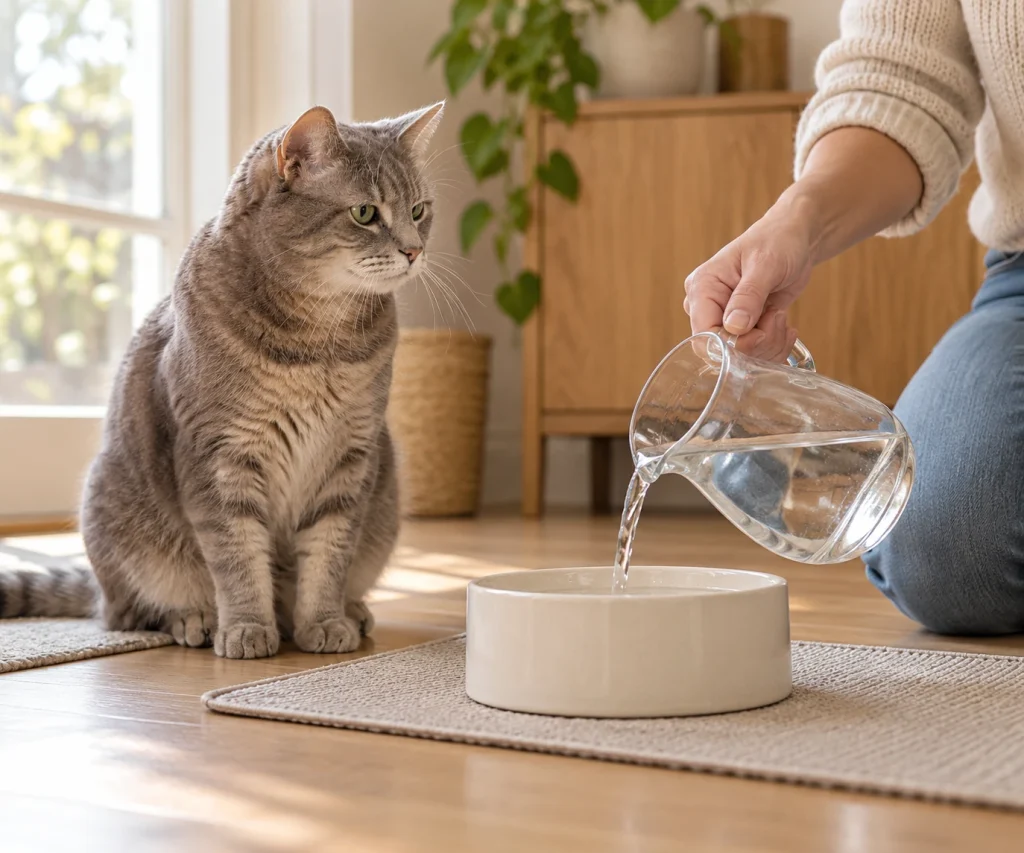
Water intake matters for cats with CKD. Wet food is the simplest way to increase it. Fresh water in several places around the home can help too. MyyCat’s cat hydration guide and guide to wet food for cats have more practical ideas.
What to Monitor at Home
Small changes are easier to spot when you track them. Keep a simple log and share it at rechecks:
- Appetite: how much your cat eats each day, and whether they refuse food
- Weight: regular weigh-ins on a pet or baby scale; MyyCat’s Cat Weight Calculator can help you put the numbers in context
- Thirst and urine: changes in water intake or in the size and number of litter box clumps
- Vomiting, diarrhea or constipation
- Energy, coat condition and behavior
- Medications: doses given and any missed
Contact your vet promptly if your cat stops eating, vomits repeatedly, becomes weak or lethargic, or seems suddenly worse. Your vet will also schedule regular rechecks of blood, urine and blood pressure.
Medications to Be Careful With
Merck and VCA both list NSAID painkillers among the drugs that can damage the kidneys. Never give your cat any human medication. If your cat has a condition such as arthritis that needs pain relief, your vet will choose treatment with their kidney function in mind; MyyCat’s guide to arthritis in cats discusses pain management options.
Life Expectancy of Cats With Kidney Disease
Outlook varies widely and depends on the stage at diagnosis, how the cat responds to treatment, and other health conditions. Cornell reports that cats diagnosed in IRIS Stage 2 have a mean survival time of two to three years, compared with less than six months for cats diagnosed in Stage 4. VCA notes that with proper management, most CKD cases progress very slowly and cats may have several years of quality life. International Cat Care describes cats enjoying a good quality of life for months or even years with the right treatment and routine monitoring.
These are averages, not predictions for your cat. Your vet is the best person to discuss your cat’s outlook and quality of life as things change.
Screening and Prevention
Age-related CKD can’t always be prevented, but catching it early gives more options. The 2026 International Cat Care guidelines recommend routine health checks once a year for mature cats aged 7 to 10, and preferably twice a year for senior cats over 10. Cornell recommends regular exams and blood work monitoring for all senior and geriatric cats.
You can also reduce the risk of acute kidney injury:
- Keep lilies out of the home and garden entirely
- Store antifreeze and other chemicals securely
- Never give human medications, and only use NSAIDs your vet prescribes
- Take urinary straining seriously and get it checked promptly
Frequently Asked Questions
Can a cat recover from kidney disease?
It depends on the type. Acute kidney injury is potentially reversible if it is treated early and aggressively, according to VCA. Chronic kidney disease can’t be reversed, but treatment can often slow it down and keep a cat comfortable for a long time.
Why is my older cat drinking so much water?
Increased thirst is often one of the earliest signs of kidney disease, according to Merck, but diabetes and hyperthyroidism can also cause it. Book a vet appointment so the cause can be tested for.
Is kidney disease uncomfortable for cats?
As CKD advances, cats may feel unwell because of nausea, vomiting, dehydration and, in some cases, mouth ulcers, according to VCA, Merck and International Cat Care. Many of these problems can be treated, so tell your vet about any change in appetite, energy or behavior.
What is the best food for a cat with kidney disease?
The 2026 International Cat Care guidelines recommend a veterinary therapeutic renal diet, which can prolong survival. Wet versions add water as well. Your vet can recommend a specific diet and help if your cat won’t eat it.
Can young cats get kidney disease?
Yes, although CKD is much more common in older cats. Younger cats can develop acute kidney injury from toxins such as lilies or antifreeze, and inherited polycystic kidney disease, seen in Persian and related cats, is another recognized cause.
Key Takeaways
- Kidney disease in cats is very common with age, and early CKD often has no visible signs.
- Increased thirst and urination, weight loss and reduced appetite are reasons to see your vet.
- Lilies, antifreeze, human painkillers and urinary blockage can cause sudden kidney injury, which is an emergency.
- CKD can’t be cured, but a renal diet, hydration support and other vet-directed treatments can slow it and protect quality of life.
- Senior cats benefit from regular checkups with blood and urine tests.
More From MyyCat
The weight and medication tools mentioned in this guide are collected with MyyCat’s other free resources on the MyyCat cat care tools page. For more reading on everyday cat health and care, you can also browse MyyCat’s books.
This article is for informational and educational purposes only and is not a substitute for professional veterinary diagnosis, treatment, or advice. Please read our veterinary disclaimer.
Sources & References
- Cornell Feline Health Center — Chronic Kidney Disease
- International Cat Care — Chronic Kidney Disease (CKD) in Cats
- Taylor S, et al. — 2026 iCatCare Consensus Guidelines on the Diagnosis and Management of Chronic Kidney Disease in Cats, Journal of Feline Medicine and Surgery
- VCA Animal Hospitals — Chronic Kidney Disease in Cats
- VCA Animal Hospitals — Acute Kidney Failure in Cats
- Merck Veterinary Manual (Cat Owners) — Noninfectious Diseases of the Urinary System of Cats
- U.S. Food and Drug Administration — Lovely Lilies and Curious Cats: A Dangerous Combination
- International Renal Interest Society — IRIS Staging System